Benefits of Martial Arts for Children: Why Every Child Can Benefit from Martial Arts
In today’s increasingly digital world, children spend more time sitting, studying, and using screens than ever before. Finding an activity that keeps children physically active while also developing important life skills has become a priority for many parents.
Martial arts for children can be an excellent choice.
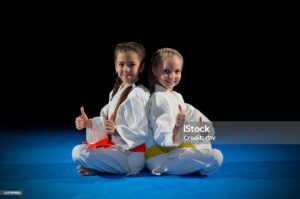
Martial arts are not simply about punches, kicks, or fighting. A properly structured children’s martial arts program can teach children discipline, focus, confidence, respect, coordination, fitness, perseverance, and self-defense awareness.
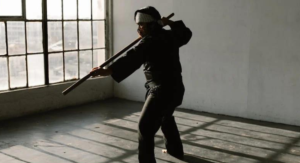
Whether a child chooses Karate, Pencak Silat, Kickboxing, or another martial art, regular training can become a valuable part of their physical and personal development.
What Are Martial Arts for Children?
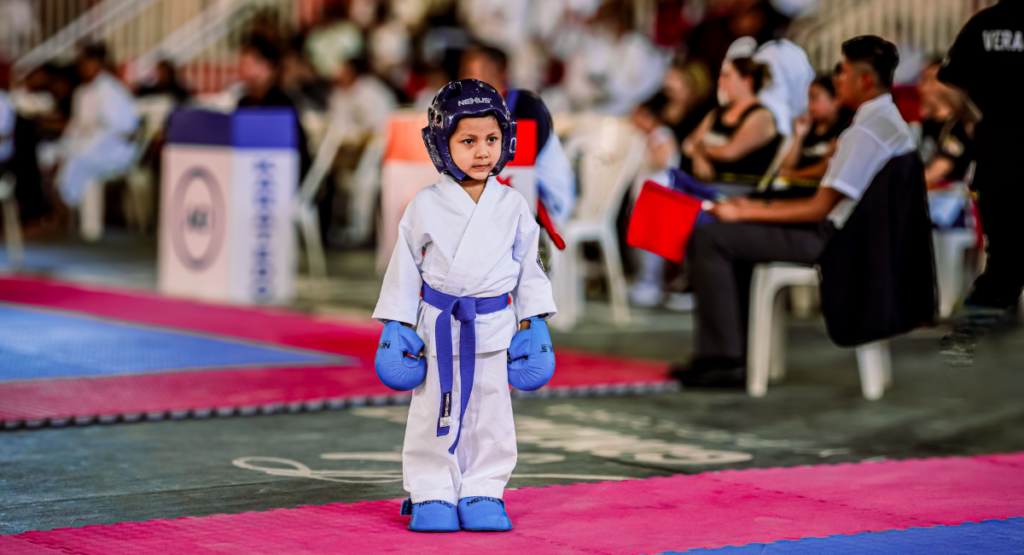
Children’s martial arts programs are specially designed to introduce young students to martial arts in a safe, structured, and age-appropriate way.
Training may include:
- Basic stances and movements
- Punches and blocks
- Kicks and footwork
- Balance and coordination exercises
- Stretching and fitness activities
- Martial arts forms or kata
- Partner exercises
- Discipline and etiquette
- Age-appropriate self-defense awareness
The emphasis should not be on encouraging aggression. Instead, children should learn self-control, responsibility, confidence, and respect.
10 Benefits of Martial Arts for Children
1. Improves Physical Fitness
One of the biggest benefits of martial arts for children is increased physical activity.
Martial arts training involves movements that can develop:
- Strength
- Flexibility
- Balance
- Coordination
- Agility
- Stamina
- Body awareness
Regular physical activity can help children develop healthier and more active lifestyles.
2. Builds Discipline
Martial arts training follows a structured learning process. Children learn that skills improve through regular practice and patience.
They learn to:
- Listen to instructions
- Follow training rules
- Practice regularly
- Respect their instructors
- Work toward goals
- Stay committed when something is difficult
This sense of discipline can extend beyond the training hall into school and everyday life.
3. Increases Self-Confidence
Learning martial arts can give children opportunities to overcome challenges.
A child may initially struggle with a particular kick, stance, combination, or kata. With practice, they can gradually improve.
That process teaches an important lesson:
“I can improve if I keep trying.”
Successfully learning new skills can contribute to greater self-confidence and a positive attitude toward challenges.
4. Improves Focus and Concentration
Martial arts require children to pay attention to instructions and remember sequences of movements.
During training, children may need to:
- Listen carefully
- Remember techniques
- Follow combinations
- Maintain correct posture
- Respond to instructions
- Concentrate on their movements
Regular practice can encourage children to develop better concentration and attention during physical activities.
5. Teaches Respect
Respect is a fundamental part of many traditional martial arts.
Children learn to respect:
- Their instructors
- Training partners
- Fellow students
- The training environment
- Rules and discipline
- Themselves
Learning respectful behavior can help children develop positive relationships both inside and outside the academy.
6. Develops Coordination and Balance
Martial arts require different parts of the body to work together.
For example, performing a controlled kick requires balance, posture, timing, flexibility, and coordination.
Children can gradually develop better:
Hand-eye coordination + Footwork + Balance + Body control + Spatial awareness
These physical skills can also be useful in other sports and activities.
7. Teaches Perseverance
Children do not master every martial arts technique immediately.
They may make mistakes, lose balance, forget a sequence, or struggle with a particular movement.
Instead of giving up, they learn to practice and try again.
This teaches perseverance and resilience—important qualities for school, sports, and life.
8. Promotes Self-Control
A major misconception is that martial arts make children aggressive.
In a well-run academy, the opposite should be true.
Children should learn that martial arts skills come with responsibility. Training should emphasize control rather than aggression.
Students learn when techniques should and should not be used and why avoiding unnecessary confrontation is important.
9. Develops Self-Defense Awareness
Children can learn basic age-appropriate principles of personal safety and self-defense.
This may include:
- Situational awareness
- Understanding personal boundaries
- Recognizing potentially unsafe situations
- Knowing when to seek help
- Basic defensive movements
- Learning how to respond appropriately to emergencies
The goal should be safety and awareness—not encouraging children to fight.
10. Encourages Goal Setting
Martial arts often use a progressive learning system in which students work toward new skills, grades, or levels.
This can teach children how to set goals and work toward them step by step.
Instead of expecting instant results, they learn:
Practice → Improvement → Achievement
This mindset can be valuable in academics, sports, and other areas of life.
Martial Arts Can Help Children Become More Active
Modern children have many opportunities to spend their free time sitting in front of screens.
Martial arts provide a structured physical activity that encourages children to move, exercise, and interact with other students.
A regular training routine can help make physical activity a normal part of a child’s lifestyle.
Martial Arts and Social Development
Children’s martial arts classes are usually conducted in groups. This gives children opportunities to interact with other students of different ages and skill levels.
They can learn:
- Cooperation
- Patience
- Communication
- Sportsmanship
- Respect
- Teamwork
Partner drills can also teach children how to work safely and responsibly with others.
Martial Arts Can Be Suitable for Different Ages
There is no single perfect age for every child to begin martial arts.
Young children may start with basic movements, coordination exercises, games, and simple martial arts concepts.
Older children can gradually progress to more structured techniques, combinations, forms, fitness exercises, and age-appropriate self-defense training.
The key is to ensure that training is appropriate for the child’s age, physical development, and ability.
Which Martial Art Is Best for Children?
There is no universal answer.
Different martial arts provide different approaches to training.
Karate
Karate can provide a strong foundation in stances, punches, kicks, blocks, kata, discipline, and traditional martial arts etiquette.
Pencak Silat
Pencak Silat offers a dynamic martial arts system involving movement, techniques, coordination, and practical martial arts training.
Kickboxing
Kickboxing combines punching and kicking techniques with fitness, movement, coordination, and conditioning.
Boxing
Boxing can develop footwork, coordination, timing, fitness, and controlled striking skills when taught appropriately.
The best choice is often the program where the child feels comfortable, enjoys training, and receives proper instruction in a safe environment.
What Should Parents Look for in a Children’s Martial Arts Academy?
Before enrolling a child, parents should consider several factors.
1. Experienced Instructors
Choose instructors who understand how to teach children rather than simply adapting adult classes for younger students.
2. Safe Environment
The training facility should be clean, organized, supervised, and appropriate for children’s activities.
3. Age-Appropriate Training
Training intensity and techniques should be adjusted according to the child’s age and ability.
4. Positive Teaching Approach
Children should be encouraged to learn and improve without unnecessary intimidation or humiliation.
5. Emphasis on Discipline and Safety
A good martial arts program should teach children responsibility and self-control alongside physical skills.
Martial Arts Training for Children in Nahan
Parents searching for martial arts for children in Nahan can explore structured programs that combine physical training with discipline, confidence, fitness, and self-defense awareness.
WarTime Combat System (WCS), Nahan, has been providing martial arts training since 2006. The academy offers training in disciplines including Shotokan Karate, Pencak Silat, Kickboxing, and Boxing.
Children can develop their martial arts skills through structured training designed around their age and ability.
For parents searching online for Karate classes in Nahan, kids martial arts classes in Nahan, or self-defense training in Nahan, choosing an academy with an experienced instructional approach and a strong focus on safety and discipline is essential.
Just take step forward
The benefits of martial arts for children go far beyond physical techniques.
A well-structured martial arts program can help children become more active, disciplined, focused, confident, coordinated, respectful, and resilient.
Most importantly, martial arts can teach children that real strength is not about being aggressive. It is about having the discipline and self-control to use your abilities responsibly.
Whether your child chooses Karate, Pencak Silat, Kickboxing, Boxing, or another martial art, starting with the right instructor and an age-appropriate program can create a positive foundation for lifelong fitness and personal development.
For parents considering martial arts for their children, the best time to explore a suitable program is when the child is ready, interested, and willing to learn.