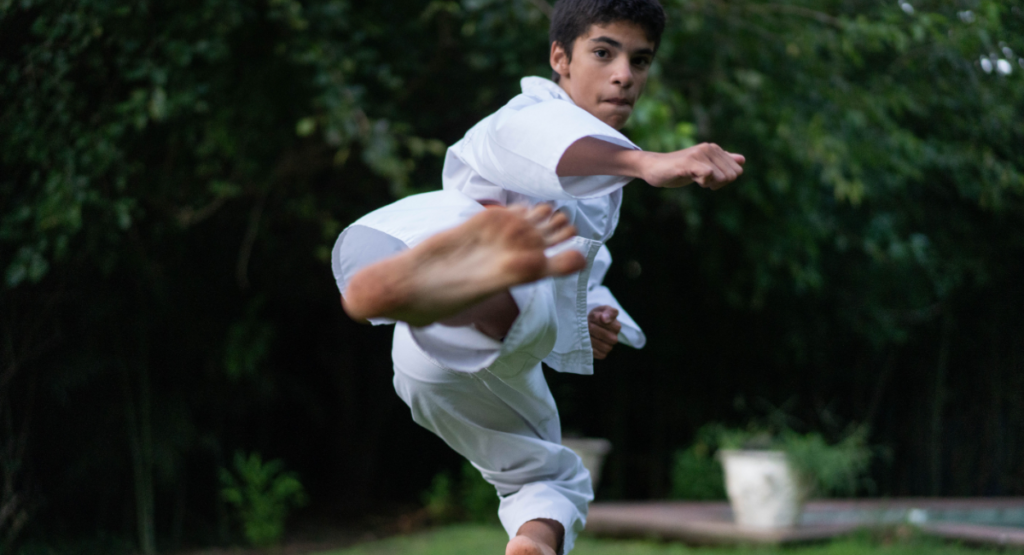
Best Age to Start Karate for Kids: A Complete Guide for Parents
Choosing the right activity for your child can play an important role in their physical, mental, and emotional development. Karate is one of the most popular martial arts for children because it combines physical fitness with discipline, focus, confidence, coordination, and self-defense skills.
But one question many parents ask is: What is the best age to start karate for kids?
The good news is that there is no single age that works for every child. The ideal starting age depends on the child’s physical development, attention span, confidence level, and interest in learning martial arts.
For most children, structured karate training can begin around 4 to 6 years of age, with age-appropriate classes and teaching methods.
What Is the Best Age to Start Karate for Kids?
Children can start learning basic martial arts movements at a young age. However, younger children generally need a different approach from older children.
Ages 4–5: Introduction to Martial Arts
Children around 4 to 5 years old can begin with a playful introduction to karate.
At this stage, training should focus on:
- Basic body movements
- Balance and coordination
- Simple karate stances
- Listening and following instructions
- Basic discipline
- Physical activity and fitness
- Fun martial arts games
The goal is not to teach advanced techniques. Instead, children should gradually become comfortable with training, instructors, and the basic principles of karate.
Ages 6–8: A Great Age to Begin Structured Karate
For many children, 6 to 8 years is an excellent age to start regular karate training.
Children in this age group are generally better able to understand instructions, remember basic techniques, and participate in structured classes.
Training can include:
- Karate stances
- Basic punches and blocks
- Kicks
- Footwork
- Karate combinations
- Basic kata
- Flexibility and conditioning
- Discipline and etiquette
- Age-appropriate self-defense concepts
Regular practice can also help children develop better concentration and body control.
Ages 9–12: Building Skills and Confidence
Children who start karate between 9 and 12 can often progress quickly because they are capable of understanding more complex instructions and training routines.
At this stage, karate can help develop:
Physical Fitness: Regular training improves strength, flexibility, balance, coordination, and endurance.
Mental Focus: Learning techniques and kata requires concentration and memory.
Discipline: Children learn the importance of regular practice, patience, respect, and consistency.
Confidence: Learning new techniques and achieving training milestones can help children become more confident.
Self-Defense Awareness: Children can learn age-appropriate awareness and basic techniques for responding safely to potentially dangerous situations.
Is It Too Late to Start Karate After Age 12?
Absolutely not.
Teenagers can start karate at 13, 14, 15, or even later. In fact, older beginners may be able to understand techniques, training concepts, and discipline more quickly.
Karate can provide teenagers with:
- Physical fitness
- Stress management through exercise
- Better concentration
- Improved coordination
- Discipline
- Confidence
- Goal-setting skills
- Martial arts knowledge
- Self-defense awareness
The most important factor is not the age at which a child starts, but their willingness to learn and train consistently.
7 Benefits of Karate for Kids
1. Improves Physical Fitness
Karate involves movement, kicking, punching, footwork, stretching, and conditioning exercises. Regular training can help children become more physically active and develop better overall fitness.
2. Develops Discipline
Karate teaches children that progress comes through regular practice. They learn to follow instructions, respect instructors and training partners, and work toward goals.
3. Builds Confidence
Learning a new technique can initially be challenging. When children practice and eventually master it, they experience a sense of achievement that can contribute to greater confidence.
4. Improves Focus and Concentration
Karate requires children to listen carefully, remember movements, maintain proper posture, and respond to instructions. These activities can encourage better focus during training.
5. Develops Coordination and Balance
Punches, kicks, blocks, footwork, and kata require different parts of the body to work together. This can help children develop coordination, balance, and body awareness.
6. Teaches Respect and Etiquette
Traditional karate places considerable emphasis on respect. Children learn to respect their instructor, fellow students, training environment, and themselves.
7. Introduces Self-Defense Awareness
Karate can introduce children to basic self-defense principles, situational awareness, and safe responses. The emphasis should always be on avoiding unnecessary confrontation and seeking help when appropriate.
What Should Parents Look for in a Kids Karate Class?
Choosing the right karate academy is just as important as choosing the right age to start.
Parents should consider:
Qualified and Experienced Instructors
Look for instructors who have experience teaching children and understand how to make martial arts training age-appropriate.
Safe Training Environment
The academy should maintain a clean and safe training area with appropriate equipment and supervision.
Age-Appropriate Training
A 5-year-old should not necessarily train in the same way as a 15-year-old. Good children’s programs adjust exercises, techniques, intensity, and teaching methods according to age and ability.
Focus on Discipline, Not Aggression
Karate should teach children self-control and responsibility rather than encouraging aggressive behavior.
Progressive Learning
A structured program should allow children to develop gradually, learning basic movements before progressing to more advanced techniques.
Positive Training Culture
Children learn better when instructors encourage them, correct mistakes constructively, and create a supportive environment.
How Often Should Kids Practice Karate?
For beginners, two to three training sessions per week can be a practical starting point.
Consistency is more important than excessive training. Children should also have enough time for school, rest, family, and other activities.
As their skills and interest develop, their training schedule can be adjusted according to their goals.
Can Karate Help With Children’s Overall Development?
Yes. Karate is more than learning punches and kicks.
A well-structured children’s karate program can combine physical activity, discipline, concentration, coordination, confidence, goal-setting, and respect.
These skills can be useful not only inside the dojo but also in school and everyday life.
Karate for Kids in Nahan
Parents looking for Karate classes in Nahan can consider a structured children’s martial arts program that provides age-appropriate training and focuses on both physical development and personal growth.
At WarTime Combat System (WCS) in Nahan, children can learn martial arts in a structured training environment with programs designed to develop fitness, discipline, confidence, coordination, and martial arts skills.
WCS has been providing martial arts training since 2006 and offers training in disciplines including Shotokan Karate, Pencak Silat, Kickboxing, and Boxing.
Children can begin their martial arts journey according to their age, ability, and readiness.
Final Thoughts
So, what is the best age to start karate for kids?
For many children, 4 to 6 years can be a suitable age to begin an age-appropriate introduction, while 6 to 8 years is often an excellent stage for more structured karate training.
However, there is no universal perfect age. Every child develops differently.
The most important things are choosing a qualified instructor, maintaining a safe training environment, keeping classes age-appropriate, and making sure the child enjoys learning.
Karate is not simply about learning how to fight. Done correctly, it can help children become fitter, more focused, disciplined, confident, respectful, and physically active individuals.
If your child is interested in martial arts, starting at the right level with the right guidance can be the beginning of a rewarding lifelong journey.